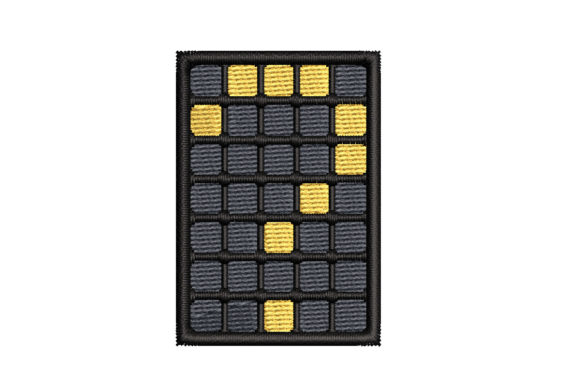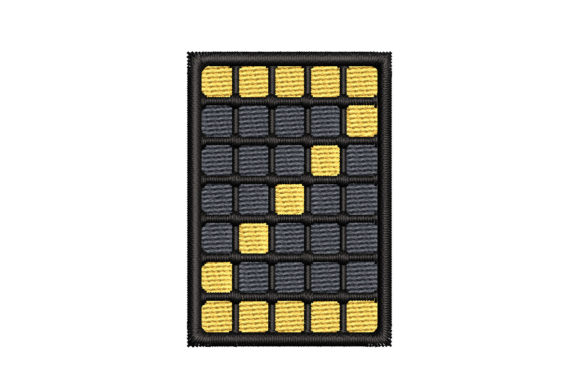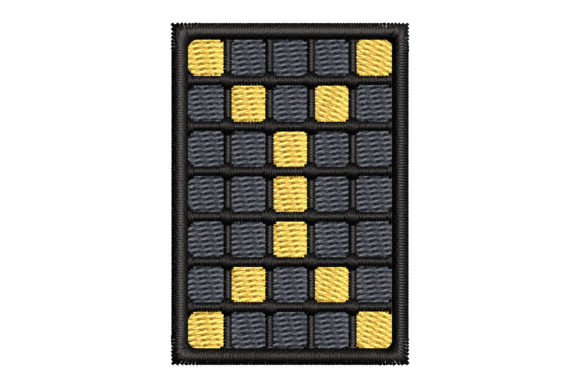
LED Scoreboard Effect Multiply Sign
As an embroidery designer who spends weekends hunched over my machine and weekdays managing a digital shop, I have learned one hard truth: customers buy with their eyes first. At a craft fair or handmade market, you have roughly three seconds to grab attention before a browser moves to the next table. This is why the choice of design for your craft fair product lineup is not just about aesthetics; it is about strategy. Recently, I reviewed the LED Scoreboard Effect Multiply Sign, a design that promises bold visual impact through its digital-inspired aesthetic. Below is my professional assessment of how this file performs in real-world production and retail scenarios.
First Impressions and Visual Impact
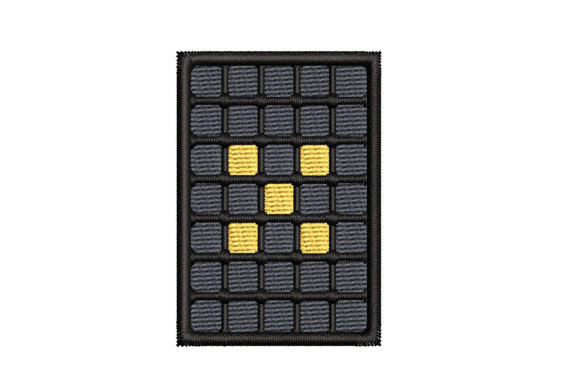
The moment you look at the LED Scoreboard Effect Multiply Sign, the design communicates energy. It is not subtle. The "scoreboard" effect implies a retro-digital look, reminiscent of vintage sports displays or arcade games, while the multiply sign adds a mathematical or perhaps symbolic twist. For a booth display, this level of contrast is invaluable. It feels modern, slightly playful, and undeniably premium compared to standard script fonts.
In terms of mood, this design leans toward modern rustic or industrial chic. It works exceptionally well for brands that want to appear trendy without being overly feminine or traditional. When placed on a neutral background, the LED effect pops, creating a focal point that draws the eye immediately. For an Etsy seller looking to refresh their listing photos, this design offers high contrast that photographs beautifully, ensuring your printable mockup looks crisp on both mobile and desktop screens.
Product Application and Versatility
One of the biggest questions I get from small business owners is, "Where does this design actually sell?" The versatility of the LED Scoreboard Effect Multiply Sign makes it a strong candidate for several key categories in the handmade market.
- Tote Bag Design: A canvas tote bag is the quintessential craft fair product. Placing this design centrally on a heavy cotton canvas allows the LED texture to shine. The durability of the canvas complements the boldness of the design, making it a practical accessory for shoppers.
- Apron Embroidery: Kitchenware is a hot category. On a denim or black apron, the scoreboard effect mimics the look of a chalkboard menu or a modern kitchen gadget. It appeals to home cooks who appreciate industrial decor.
- Tea Towel Embroidery: Linen or cotton tea towels provide a textured surface that interacts interestingly with thread. However, care must be taken with fabric selection here (see technical notes below).
- Embroidered Patch: Converting this into a patch allows for application on backpacks, jackets, and hats. Patches are highly giftable and often impulse buys at markets.
- Caps and Headwear: The structured nature of a baseball cap provides a flat(ish) surface where the geometric lines of the multiply sign can align neatly. It gives a streetwear vibe that resonates with younger demographics.
For digital sellers, this design asset is also valuable as a standalone element for sublimation prints or heat transfer vinyl projects, expanding its utility beyond just machine embroidery.
Production Practicality and Sales Strategy
From a production standpoint, efficiency is money. A good embroidery file should be easy to hoop, stable during stitching, and quick to finish. The LED Scoreboard Effect Multiply Sign appears to rely heavily on fill stitches to create the "pixelated" or segmented look. While this creates a rich texture, it requires careful planning.
At a market, having batch-produced items ready to go is essential. This design is repeatable. You can produce ten identical aprons in a single afternoon if your workflow is optimized. The clean lines mean less trimming of jump threads compared to complex floral designs. For small shop products, this reliability reduces waste and increases profit margins.
Furthermore, the design’s bold nature means it does not require intricate detailing to look good. This simplifies your thread colors palette. You might find that using two contrasting colors—one for the outline and one for the fill—creates a striking 3D effect that sells itself. Simplicity in colorway often leads to faster sales because the customer can instantly visualize the item in their home.
Technical Considerations and Careful Use
No design is perfect out of the box. As an experienced designer, I always test files before committing them to inventory. Here are critical points to consider when working with the LED Scoreboard Effect Multiply Sign:
- Stitch Density: LED effects often use dense stitch patterns to simulate solid blocks of light. Ensure your machine handles this density correctly. If the underlay is too aggressive, it may pucker thin fabrics. Always check the stitch density settings in your embroidery software.
- Fabric Texture: Avoid using this design on highly textured fabrics like bouclé or thick waffle-weave towels unless you are confident in your stabilizer choice. The needle penetration needs to be consistent to maintain the sharp edges of the scoreboard effect. Smooth cottons or linens are safer bets.
- Hoop Size: Verify the recommended hoop size for this file. If the design is large, ensure you have enough room to hoop your product securely. For caps, a specialized cap frame is necessary to prevent distortion.
- Thread Contrast: The visual success of this design hinges on contrast. Do not use dark thread on dark fabric. The LED effect relies on light reflection; matte threads may dull the effect, while metallic or polyester threads can enhance the "glow" illusion.
- Small Details: If the design includes tiny text or fine lines within the scoreboard segments, test it at the smallest intended size. Tiny details can merge together if the stitch length is too long or the fabric shifts during hooping.
Final Verdict for Market Sellers
The LED Scoreboard Effect Multiply Sign is a strong addition to any commercial embroidery library. It bridges the gap between nostalgic digital art and modern home decor. Its ability to stand out on a crowded table, photograph well for online listings, and produce consistently on various garments makes it a smart investment.
Before adding this to your production queue, remember to review the specific technical details provided by the creator. Confirm the file format compatibility with your machine, inspect the stitch quality in a test run, and ensure you have the appropriate stabilizer for your chosen fabric. By doing your due diligence, you transform a simple digital file into a tangible, high-value handmade product that customers will want to take home.
Whether you are displaying it on a tote bag or an apron, this design commands attention. In the world of handmade goods, commanding attention is half the battle won. Use this design to elevate your brand consistency and engage buyers with a touch of modern flair.