Monogram Letter I: A Designer’s Review for Real Projects
When I sit down to evaluate a new digital asset for my studio, I am rarely looking for just another pretty picture. I am looking for viability. Can this design hold up on a busy production floor? Does it translate well from screen to fabric? Will the end customer feel that "handmade" premium value when they receive their custom item? Today, I am putting Monogram Letter I under that same microscope. This is not just a review of a file; it is an assessment of how this specific machine embroidery design fits into the workflow of small business owners, Etsy sellers, and serious hobbyists who need reliable assets for their craft business.
The First Impression: Mood and Visual Personality
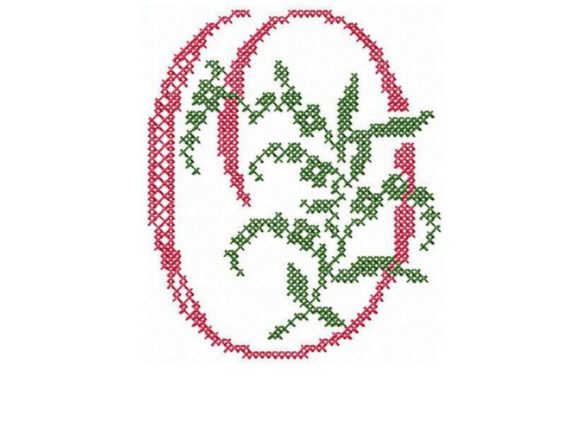
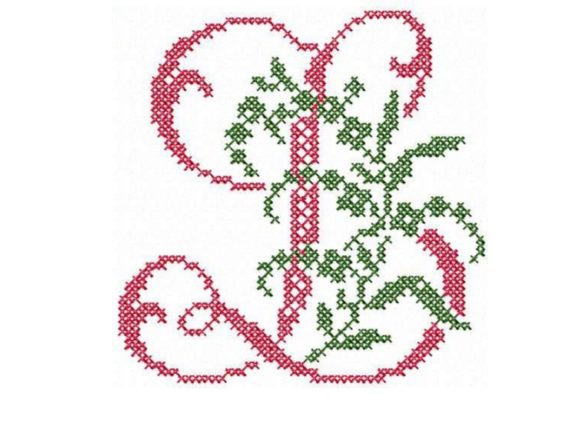
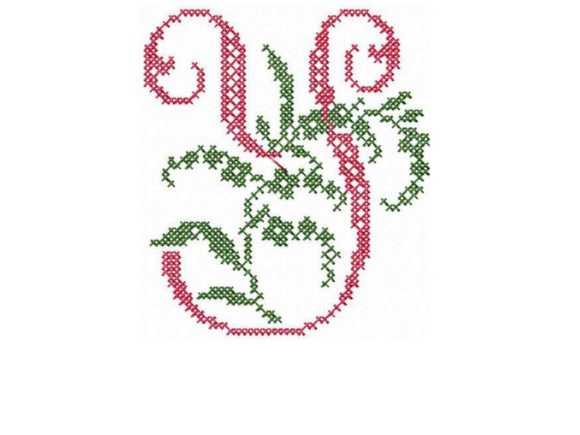
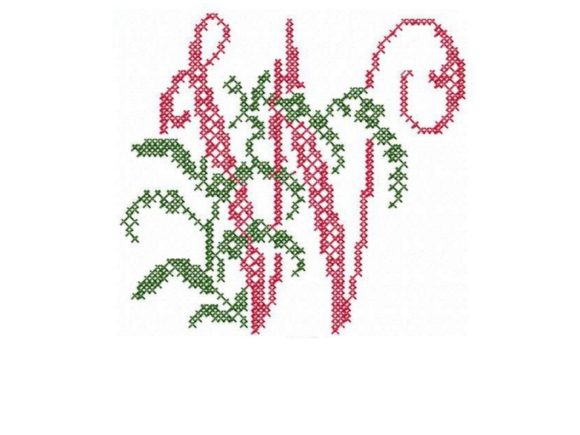
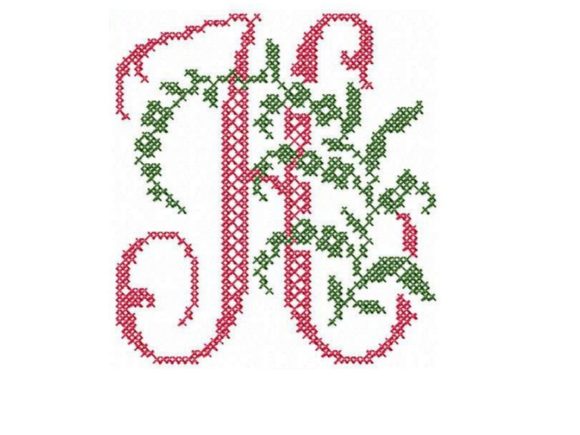
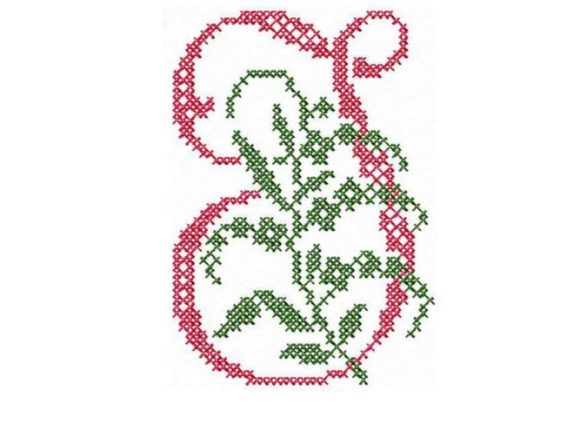
The moment you open the file, the aesthetic speaks clearly. Described as a cross-stitch technique, Monogram Letter I immediately evokes a sense of nostalgia and warmth. It does not scream modern minimalism; instead, it whispers cottagecore charm. The visual personality is soft, approachable, and distinctly handmade. For designers specializing in Boho styles or rustic aesthetics, this letterform feels like a natural extension of that brand identity.
From a layout perspective, the cross-stitch simulation creates a textured, pixelated look that mimics traditional needlework. This is crucial because it sets expectations correctly. The viewer knows instantly that this is meant to look like handcrafted work, even though it is being produced by a machine. This honesty in design builds trust with the buyer. They are not expecting sleek, corporate satin stitching; they are expecting cozy, artisanal appeal. For a small shop product, this alignment between expectation and reality is vital for reducing returns and negative reviews.
Real-World Application: Where This Design Shines
I have spent years testing embroidery files on various substrates, and Monogram Letter I shows exceptional versatility when applied to everyday items. Let me walk you through a few scenarios where this design truly excels.
Consider a custom embroidered tote bag design. You are preparing a batch for a local craft fair. You want something that stands out but isn’t overwhelming. Stitching Monogram Letter I in the center of a canvas tote using high-contrast thread colors creates a focal point that feels personal yet professional. The cross-stitch texture catches the light differently than a solid fill, giving the bag depth. Customers at a boutique often gravitate toward items that feel unique, and a monogrammed piece suggests exclusivity.
Another strong use case is holiday embroidery. Imagine creating personalized kitchen towels or tea towels for Christmas gifts. The cross-stitch motif pairs beautifully with seasonal themes like snowflakes or pinecones. Because the letter is simple, it allows other decorative elements to shine without cluttering the composition. It serves as a perfect anchor for a larger scene. Similarly, for baby embroidery projects, such as muslin blankets or burp cloths, the gentle curves and familiar shape of the letter I provide a sweet, gender-neutral option that parents love for nursery decor.
For apparel decorators working on sweatshirt embroidery, this design works well on chest pockets or sleeve cuffs. The scale of a single letter keeps the stitch count manageable, which is important if you are trying to keep production costs low while maintaining quality. It also translates effectively to embroidered patch applications, where durability and clear definition are key.
Technical Considerations and Potential Pitfalls
While the aesthetic is strong, no designer should assume a file will perform perfectly on every surface without testing. There are specific areas where Monogram Letter I requires careful handling.
First, consider the fabric texture. Cross-stitch designs rely on distinct blocks of color to read correctly. If you apply this to a heavily textured fabric, such as a thick boucle wool or a distressed denim, the fine details of the cross-stitch may get lost. The fabric's weave might compete with the embroidery, resulting in a muddy appearance. In these cases, a smoother fabric background is essential to let the embroidery project pop.
Stretchy fabrics present another challenge. While the design itself may not be overly dense, any movement in the fabric can distort the geometric nature of cross-stitch patterns. If you are stitching onto a stretchy cap or a fitted tee, ensure you are using a stabilizer that provides enough rigidity to prevent puckering. Without proper support, the letter may warp, losing its crisp, structured look.
Color contrast is perhaps the most critical factor. Since the design simulates stitches, it relies on the eye connecting individual lines. If you choose thread colors that are too close in tone to your fabric, the design will disappear. Always test your thread colors against your actual material. A dark navy thread on black fabric might look stunning on a monitor, but in person, it could vanish completely. Conversely, white thread on white fabric might lack the necessary definition unless the lighting is perfect.
Practical Designer Notes for Success
To ensure the best outcome, follow these practical steps before committing to a full production run:
- Test on Scrap Fabric: Never go straight to the final product. Stitch the design on a scrap piece of the exact fabric you plan to use. This reveals how the material reacts to the needle and thread.
- Check Stitch Density: Review the density settings in your software. If the design is too dense, it may become stiff and uncomfortable to wear. If it is too sparse, it may look unfinished. Adjustments may be needed depending on your machine’s capabilities.
- Confirm Hoop Size: Ensure the design fits comfortably within your standard hoop sizes. Trying to squeeze a design into a smaller hoop can lead to clipping or distortion.
- Inspect Small Details: Zoom in on the digital file. Are there tiny jumps or trims that might cause thread breaks? Are the corners clean?
- Black and White Mockups: Convert your design to grayscale to check for contrast issues. This helps identify potential visibility problems before you cut the fabric.
- Stabilizer Selection: Use the appropriate stabilizer for your fabric type. Cut-away stabilizers are generally safer for woven fabrics and frequent washing, while tear-away may suffice for temporary items like holiday cards or lightweight scarves.
Impact on Brand Value and Customer Trust
Using a well-executed design like Monogram Letter I directly impacts your brand consistency. When every item in your shop looks professionally finished, customers perceive higher value. They are willing to pay more for items that look polished and intentional. A sloppy stitch job, on the other hand, can undermine even the most beautiful concept.
This design also enhances giftability. Personalized gifts are all about the connection between the giver and the receiver. A monogram adds a layer of intimacy that generic decorations cannot match. By offering high-quality monogrammed products, you position yourself as a provider of meaningful, thoughtful goods rather than just mass-produced merchandise. This distinction is crucial for Etsy sellers and small shop owners competing in a crowded marketplace.
Final Verdict
Monogram Letter I is a versatile, charming addition to any digital embroidery library. Its cross-stitch aesthetic brings a warm, handmade feel to a wide range of products, from tote bags to baby items. However, success depends on execution. Pay attention to fabric choice, thread contrast, and stabilization. Test thoroughly, respect the technical limitations of your equipment, and always prioritize the finish quality.
If you are looking to add a touch of cottagecore elegance to your commercial embroidery offerings, this design is a strong candidate. It balances simplicity with character, making it accessible for beginners yet appealing to seasoned makers. Just remember: the file is only half the battle. Your skill in preparation and stitching determines the final result. Treat it with care, and it will serve your craft business well.