Blue Shark Embroidery Design Review
As an experienced embroidery designer, I spend a significant portion of my day evaluating digital assets before they ever hit the hoop. For small business owners, Etsy sellers, and apparel decorators, choosing the right machine embroidery design is not just about aesthetics; it is about brand integrity, production efficiency, and customer perception. Today, I am reviewing the Blue Shark pattern to determine its viability for commercial applications, ranging from branded patches to custom apparel accents.
This review focuses on how this specific embroidery file performs in real-world business scenarios. We will look at its visual personality, practical application on items like aprons and caps, potential pitfalls regarding stitch density and scale, and how it contributes to overall brand identity.
First Impressions: Visual Personality and Brand Fit
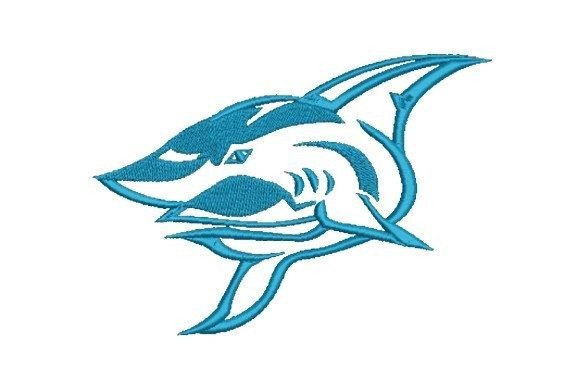
The Blue Shark design draws inspiration from the ocean, utilizing blue as the primary color palette to evoke the sea. From a design perspective, sharks are often associated with power, precision, and agility. However, the description notes that this is a "creative" pattern intended for use as a logo or symbol. This suggests a balance between boldness and approachability.
When viewing the initial concept, the design feels modern yet classic. The use of blue provides a sense of calm professionalism, which is crucial for businesses aiming to build trust. Whether you are running a marine-themed boutique, a seafood restaurant, or a creative studio looking for a unique mascot, the shark motif offers versatility. It avoids being overly aggressive, leaning instead toward a stylized, graphic representation that works well as a standalone embroidered patch or a subtle chest logo.
For handmade brands and crafters, the artistic nature of the design adds value. It signals that attention has been paid to detail, elevating the perceived quality of the finished product. In a crowded marketplace like Etsy, distinctive imagery helps products stand out. A well-executed shark emblem can become a recognizable symbol for your shop, aiding in long-term customer recognition.
Real-World Business Applications
One of the most critical aspects of any digital embroidery file is its adaptability across different merchandise types. The Blue Shark design shows promise in several key areas for small business merchandising.
- Branded Patches: Sharks make excellent focal points for iron-on or sew-on patches. These are highly popular among outdoor enthusiasts, fishing communities, and urban streetwear brands. The clean lines implied by the description suggest it would hold up well as a durable patch on jackets or bags.
- Staff Uniforms and Aprons: For cafes, bakeries, or marine tour operators, consistent branding is key. Placing the Blue Shark on the chest of a work shirt or the pocket of an apron embroidery project creates a unified team look. The blue tones are generally forgiving on stains and wear, making them practical for daily use.
- Cap Embroidery: Caps remain a staple in promotional merchandise. The shark’s streamlined shape likely translates well to the curved front panel of a hat. It offers a dynamic silhouette that catches the eye without overwhelming the wearer.
- Tote Bag Design: Canvas totes are ubiquitous for artisans and retail shops. An embroidered shark serves as a premium alternative to printed graphics. It adds texture and depth, encouraging customers to carry the bag as a walking advertisement for your small business merch.
- Product Packaging Accents: Beyond apparel, consider using smaller versions of the design on hang tags, garment labels, or even box seals. This level of detail enhances the unboxing experience and reinforces visual consistency across all touchpoints.
Strategic Considerations and Potential Pitfalls
While the Blue Shark design has strong commercial potential, an experienced designer must always approach production with caution. Not every design suits every surface or size. Here are critical factors to evaluate before committing to bulk production.
Scale and Detail Resolution: If you plan to use this design on tiny items, such as pet collars or miniature gift tags, you must test the scalability. Complex outlines or fine details may blur together if stitched too small. Always check if the design retains its clarity at the desired hoop size. If the shark’s features become indistinct, consider simplifying the digitization or increasing the minimum production size.
Stitch Density and Fabric Texture: High stitch density can cause puckering, especially on lightweight fabrics or stretchy materials like jersey knits. Ensure that the underlying structure of the design supports the fabric weight. Furthermore, textured fabrics can hide subtle shading or gradient effects. Test the Blue Shark on the actual material you intend to use to ensure the thread colors pop against the background.
Thread Color Contrast: The description highlights blue as the dominant color. While aesthetically pleasing, dark blues can sometimes lack contrast against navy or black uniforms. Conversely, light blues might get lost on white fabric. Evaluate the available thread options to ensure sufficient contrast for visibility. Using a contrasting outline or backing can help define the shape.
Wash Durability: For items that require frequent washing, such as staff uniforms or baby clothes, the stability of the embroidery is paramount. Loose threads or poor underlay can lead to premature wear. Verify that the digitizer has used appropriate stabilizers and secure stitching techniques to prevent snagging during laundering.
Practical Designer Notes for Production
To ensure the Blue Shark design delivers maximum value, follow these best practices during your pre-production phase.
- Test in Black and White: Convert the design to grayscale to check for contrast issues. If the shapes merge, adjust the spacing or simplify the elements before digitizing fully.
- Create a Printable Mockup: Before sewing, generate a printable mockup of the design on your chosen product. This allows you to visualize placement and scale without wasting expensive materials. Share this with clients for approval to avoid costly revisions.
- Inspect Spacing and Hoop Size: Confirm that the design fits comfortably within your machine’s standard hoops. Tight spacing between stitches can reduce the lifespan of needles and increase thread breakage rates.
- Use Proper Stabilizer: The choice of stabilizer (cut-away, tear-away, or water-soluble) depends on the fabric. Using the wrong type can distort the Blue Shark shape, particularly around curved edges.
- Verify Commercial Licensing: Most importantly, ensure you have the correct rights to use this design asset for commercial purposes. Unauthorized use of embroidery patterns can lead to legal issues. Check the license terms provided by the creator to confirm permission for resale.
Impact on Brand Identity and Customer Trust
Investing in high-quality embroidery sends a message to your customers. It signifies durability, craftsmanship, and attention to detail. When a customer sees the Blue Shark embroidered on a tote bag or cap, they perceive higher value compared to cheap prints. This perception directly influences buyer engagement and willingness to pay a premium price.
Furthermore, a cohesive brand identity built around strong symbols like a shark fosters loyalty. Customers remember logos that are distinct and professionally executed. By carefully selecting and implementing designs like this one, you are not just selling products; you are building a brand story that resonates with your target audience.
In conclusion, the Blue Shark embroidery pattern offers a compelling option for small business owners seeking to enhance their merchandise line. Its versatile aesthetic makes it suitable for a wide range of applications, from corporate uniforms to artisanal gifts. However, success lies in the execution. By paying close attention to scale, fabric compatibility, and licensing, you can leverage this design to create memorable, high-quality products that drive business growth.