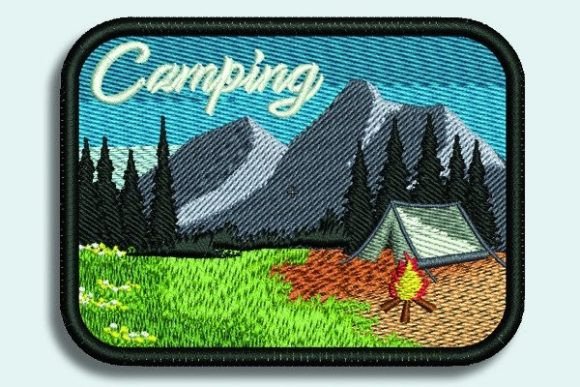
Camping Embroidery Design Review
As an embroidery designer who spends more time staring at stitch patterns than sleeping, I am always on the hunt for designs that balance aesthetic appeal with production efficiency. When browsing Creative Fabrica embroidery collections, I look for pieces that can seamlessly transition from a quick custom gift to a staple in a boutique’s seasonal inventory. Recently, I came across the Camping design, categorized under Outdoor Quotes and Embroidery. It promises to be fun, easy to stitch, and gorgeous on any fabric. But does it hold up under the scrutiny of professional apparel decoration? In this review, I break down how Camping might fit into your next collection of sweatshirts, hoodies, and lifestyle products.
First Impressions: Visual Mood and Personality
The name Camping suggests an immediate connection to the outdoors, nostalgia, and relaxation. From a design perspective, this is a powerful hook for current fashion trends that lean heavily into "cottagecore," rustic chic, and cozy minimalism. The design feels playful yet classic, avoiding the trap of looking too juvenile or overly complex. It strikes a balance that appeals to a wide demographic, making it ideal for boutique brand owners who need versatile merchandise.
The visual personality of Camping is likely warm and inviting. For a machine embroidery design, this translates to clean lines and legible typography or iconography that reads well from a distance. Whether the design features whimsical tents, mountain silhouettes, or stylized lettering, the key selling point here is its approachability. It doesn’t require hours of hooping or intricate digitizing adjustments, which makes it highly attractive for high-volume production runs. It feels premium without being pretentious, perfect for the modern consumer who values comfort and style.
Applying Camping to Apparel Projects
One of the biggest challenges in designing for custom apparel is ensuring the artwork complements the garment’s structure rather than fighting against it. Here is how I envision Camping performing across various product types:
- Sweatshirt Embroidery: This is where Camping will truly shine. Heavy cotton blends provide a stable canvas that allows the design to pop. On neutral gray, oatmeal, or forest green sweatshirts, the design will offer excellent contrast. It works beautifully as a centered chest placement or even a small left-chest logo for a more subtle, branded look.
- Hoodie Design Applications: Hoodies are a staple for Etsy sellers and handmade business owners. Camping can serve as a focal point on the front, but don’t overlook sleeve accents. A smaller version of the design on the cuff or upper arm adds a trendy, detail-oriented touch that customers love. Back designs are also a strong option for oversized hoodies, creating a statement piece that stands out in lifestyle product photos.
- T-Shirt Embroidery: While t-shirts are common, embroidery on them requires careful handling to avoid puckering. If Camping has moderate stitch density, it will work well on heavyweight tees. However, ensure the fabric texture is smooth enough to support the design without distortion.
- Denim Jackets and Tote Bags: Denim provides a rugged backdrop that pairs naturally with outdoor themes. Stitching Camping on the back panel of a denim jacket creates a vintage-inspired vibe. Similarly, for tote bag design projects, the durability of canvas supports machine stitching, making these items excellent low-cost entry points for new customers.
- Seasonal Outfits: As autumn approaches, cozy outfits become top sellers. Camping fits perfectly into fall and winter collections, evoking feelings of campfires, crisp air, and relaxation. It is also surprisingly versatile for spring camping trips, expanding its year-round commercial viability.
Strategic Placement and Fabric Considerations
Not every spot on a garment is created equal. To maintain a professional presentation, you must consider where you place the embroidery file. Small chest placement is popular for a minimalist aesthetic, but it requires precision. If the design includes tiny lettering, verify that the digitization holds up at that scale; otherwise, it may look muddy when stitched.
Fabric choice is equally critical. Avoid placing dense stitch areas on stretchy fabrics like thin jersey unless you use appropriate stabilizers. Fleece and ribbed fabric present unique challenges due to their thickness and elasticity. On fleece, the stitches may sink in, losing definition. On ribbed fabric, such as cuffs or necklines, the natural stretch can cause the embroidery to pucker if not stabilized correctly. Dark garments require careful selection of thread colors to ensure visibility, while pastel hoodies allow for softer, complementary color palettes that enhance the design’s gentle mood.
Impact on Brand Identity and Value
Using high-quality designs like Camping directly affects your brand identity. Customers associate neat, well-executed embroidery with trust and quality. A finished product that looks professionally finished encourages repeat purchases and positive reviews. Consistency in your designs helps build product recognition, so sticking to a cohesive theme—like outdoor adventures—can help define your shop’s niche. Furthermore, printable mockups featuring Camping can boost customer engagement on social media, giving potential buyers a clear vision of the final item before they commit to a purchase.
Practical Designer Notes for Production
Before adding Camping to your production queue, there are several technical steps you must take to ensure success. These notes come from experience and are essential for maintaining a small shop product reputation:
- Test on Scrap Fabric: Always run a test stitch on the exact fabric you plan to use. This reveals issues with tension, thread breakage, or fabric pull that aren't visible on screen.
- Check Stabilizer Choice: The right stabilizer is crucial. Cut-away stabilizers are generally best for knitwear like sweatshirts to prevent shifting, while tear-away may suffice for woven tote bags.
- Review Thread Color Contrast: Select thread colors that complement the garment. High contrast ensures readability, while tonal threads offer a sophisticated, understated look.
- Confirm Hoop Size: Ensure your machine’s hoop size accommodates the design dimensions. If the design is large, you may need to reposition it during hooping (redigitize) or use a larger hoop frame.
- Inspect Stitch Density: High-density designs can make fabric stiff and uncomfortable. Verify that the stitch density balances visual impact with wearability, especially for items worn close to the skin.
- Compare Placement Options: Sketch out different placements on your garment pattern. Sometimes a slightly off-center or angled placement looks more dynamic than a perfectly symmetrical one.
- Verify Licensing: Before selling finished apparel, carefully read the Creative Fabrica product details and licensing terms. Ensure you have the commercial rights to sell physical items made with the digital embroidery file.
In conclusion, Camping appears to be a solid addition to any embroiderer’s library. Its versatility across sweatshirt embroidery, hoodie designs, and accessories makes it a valuable asset for commercial embroidery businesses. By following proper testing protocols and considering fabric properties, you can create beautiful, marketable products that resonate with your audience. Remember, the best embroidery designs are those that enhance the garment while telling a story—and Camping certainly seems ready to do just that.