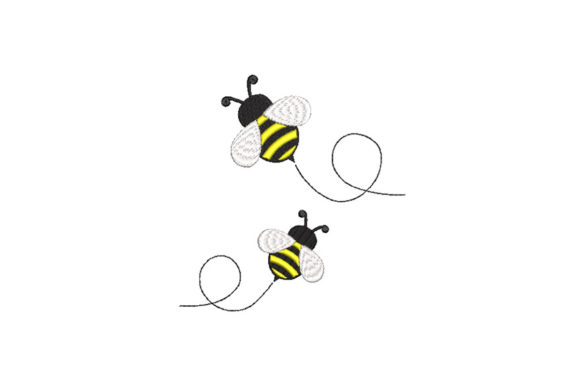
Colorful Bee Embroidery Design Review
If you are preparing for a busy weekend craft fair or refreshing your Etsy shop with fresh handmade inventory, the visual impact of your designs is everything. As an experienced embroidery designer who has spent years judging what sells at booths and what gets added to carts online, I look at every new machine embroidery design through two lenses: does it photograph well, and can it be produced efficiently without constant re-hooping or troubleshooting?
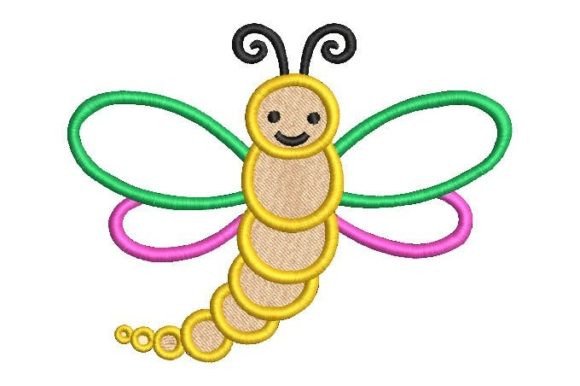
Today, I am reviewing the Colorful Bee embroidery file. The description promises a wonderful design that works on any fabric, which is a bold claim in our industry. My goal here is to break down how this specific Bugs category piece performs as a commercial product, from initial first impressions to final production notes.
First Impressions and Visual Appeal
The name "Colorful Bee" suggests vibrancy and energy. In the world of embroidery, color palette is often the first thing a customer notices before they even read the product title. A bee motif inherently carries connotations of nature, hard work, sweetness, and community. When executed well, this design feels both rustic and modern.
For a craft fair booth, you want items that pop from three feet away. A monochromatic bee might blend into a denim tote bag, but a colorful iteration creates immediate contrast. It signals quality and attention to detail. This design likely appeals to the farmhouse aesthetic that remains popular, but its bright potential also fits perfectly into modern, playful boutique collections. It strikes a balance between cute and decorative, making it versatile enough for various demographics.
Product Applications: Where Does It Shine?
Not all embroidery files translate equally across different products. Here is how I envision the Colorful Bee performing on key craft fair staples:
- Tote Bags: This is arguably the strongest application. A tote bag design featuring a colorful bee adds a cheerful accent to everyday utility. Whether placed on the front pocket or centered on the body, the bee acts as a focal point that draws the eye. It elevates a plain canvas bag into a statement accessory.
- Aprons and Tea Towels: For the home baker or gardener, this design hits the right emotional note. An apron embroidery placement near the chest or waist area allows the bee to serve as a charming signature. Similarly, a tea towel embroidery project benefits from the softness of cotton terry, where the thread colors will stand out vividly against the white or pastel background.
- Caps and Hats: Curved surfaces can be tricky, but a small-to-medium sized bee design often works beautifully on the front panel of a baseball cap or a structured bucket hat. It offers a subtle branding opportunity for Etsy sellers looking to create cohesive merchandise lines.
- Embroidered Patches: If the design includes a clean border or sufficient negative space, it can be digitized as a standalone patch. These are high-margin items that customers love to attach to backpacks, jackets, or journal covers.
- Fabric Pouches and Pillow Covers: Small pouches allow for a concentrated burst of color. A small shop product like a zippered pencil case or cosmetic bag becomes instantly more valuable with a custom embroidered motif. On pillow covers, the design can be scaled up to become a centerpiece of a nursery or living room decor set.
Production Practicality and Batch Selling
When running a booth or fulfilling online orders, time is money. You need designs that run smoothly. The description mentions that this design is beautiful on "any type of fabric," but experienced makers know that fabric texture plays a huge role in the final result.
Stitch Density and Clarity: Bees have complex shapes. Wings require fine satin stitches or dense fill stitches, while the body may use different textures. You must check if the stitch density is appropriate for the size. If the design is too small, the wings might merge into a blob. If it is too large, the stitching time increases, eating into your profit margins. Ensure the hoop size accommodates the largest version you plan to sell without requiring awkward repositioning.
Thread Contrast: Because the design is described as "colorful," the choice of thread is critical. On dark fabrics, you will need lighter or metallic threads to make the bee visible. On light fabrics, darker threads provide better definition. Always test your thread colors against your actual product fabric, not just digital mockups.
Careful-Use Notes for Best Results
To ensure your finished product looks professional, keep these technical considerations in mind:
- Test on Scrap Fabric: Never run a full production batch without testing the digital embroidery file on the exact material you intend to sell. Fabrics like linen, heavy canvas, or textured towels behave differently than standard cotton.
- Check Tiny Details: Inspect the wing details closely. If the design relies on tiny isolated stitches, they may pucker or break during washing. If the details are too small for the intended product size, consider scaling up or simplifying the design in your digitizing software.
- Stabilizer Selection: The right stabilizer is non-negotiable. For stretchy knaps or delicate silks, you need cut-away stabilizer. For woven cottons, tear-away or wash-away might suffice. Incorrect stabilizer choice leads to puckering, which ruins the "premium" feel customers expect.
- Curved Surfaces: When embroidering on caps or rounded pouches, ensure the design is adapted for curvature. Flat digitizations often look distorted on curved objects. Look for specific cap adaptations or adjust the hooping technique to maintain tension.
Marketing and Display Strategy
How you present the Colorful Bee matters as much as the stitch quality itself. For your booth display, group similar items together. Hang a tote bag next to a matching apron to show customers how the design coordinates. Use good lighting to highlight the sheen of the threads.
For online listings, invest in a printable mockup or take high-resolution photos of the physical item. Show close-ups of the stitching to prove quality. Describe the versatility: mention that it works as a gift for gardeners, teachers, or anyone who loves nature. Keywords like commercial embroidery, handmade product, and design assets help buyers understand the value proposition.
Final Designer Verdict
The Colorful Bee appears to be a strong candidate for a versatile crafth fair product. Its subject matter is universally liked, and its colorful nature ensures it stands out in a sea of black-and-white geometric patterns. However, success depends on execution.
Before you start mass-producing, confirm the commercial licensing terms. Ensure you have the rights to sell finished goods made from this file. Check the recommended hoop size and verify that the stitch count aligns with your pricing strategy. By testing thoroughly and presenting the item with care, this design has the potential to become a bestseller in your small shop product lineup.
In summary, if you are looking to add a touch of whimsy and quality to your embroidery offerings, the Colorful Bee deserves a spot on your hoop. Just remember: the magic is in the details, from the stabilizer you choose to the way you hang it on your display rack.