Creative Endless Border Design Review
As an embroidery designer who has spent years turning digital files into tangible brand assets, I approach every new design with a mix of creative excitement and commercial skepticism. When evaluating a machine embroidery design for small business merchandise, the question is never just "does it look pretty?" but rather "does it sell?" Today, I am reviewing the Creative Endless Border, a file described as fantastic for women’s fashion, home decor, and various textile applications. My goal here is to determine if this design holds up under the pressure of real-world production, from high-volume apron runs to delicate embroidered patches for boutique labels.
First Impressions: Visual Personality and Versatility
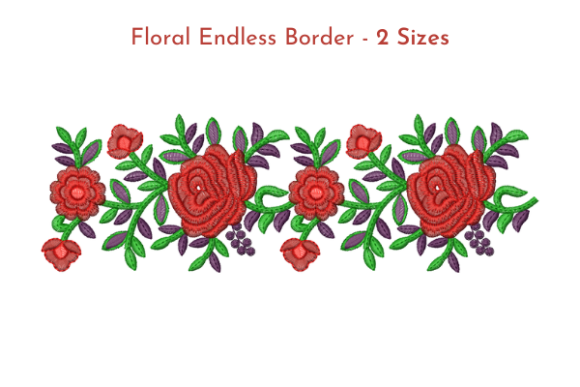
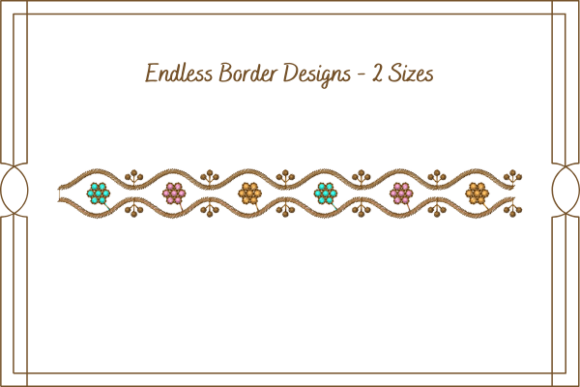
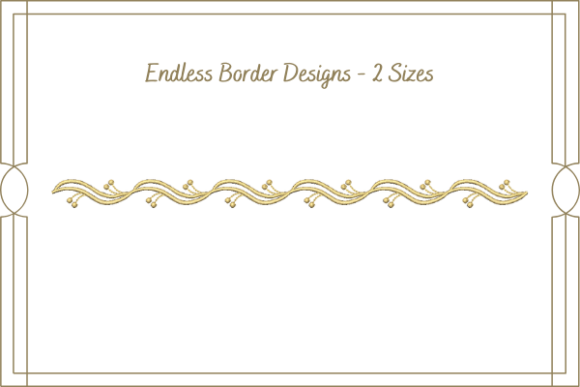
The title "Creative Endless Border" suggests a continuous, flowing aesthetic that can wrap around garments or frame product packaging. Based on its intended use in home decor items like tablecloths, cushion covers, and bedsheets, I anticipate a design that leans toward elegance and classic decoration. However, for a small business owner looking to apply this to custom apparel, the visual personality must be adaptable. Does it feel too ornate for a modern streetwear brand? Is it too simple for a luxury boutique?
In my experience, borders are the unsung heroes of brand identity. They provide structure and polish without overwhelming the central logo. If this design features intricate detailing, it will excel on stable fabrics like cotton canvas or denim but may struggle on stretchy knits. The promise of "multiple embroider" options (likely referring to multiple colorways or digitized variations) is a strong selling point. It allows businesses to maintain visual consistency across different product lines while offering variety to customers. For a florist or bakery, this border could add a soft, handmade touch to tote bags and gift boxes. For a tech startup or uniformed service, it might need to be simplified to maintain a professional edge.
Real-World Business Applications
Let us move beyond theory and look at how the Creative Endless Border performs when applied to actual small business merch. Here is where I see the greatest potential for revenue generation and brand reinforcement.
- Embroidered Patches: This is perhaps the most lucrative application. A continuous border pattern works beautifully as a background for a central company logo. By stitching this border onto a patch, you create a premium-looking badge that can be sewn onto caps, jackets, or backpacks. The endless nature of the design ensures there are no awkward cut-off points, giving the patch a finished, high-quality appearance.
- Apron Embroidery: For cafes, restaurants, and craft studios, branded aprons are essential marketing tools. Placing the Creative Endless Border along the hem or the bib of an apron adds a layer of sophistication. It signals to the customer that attention to detail matters. Unlike a large central logo which can dominate the garment, a border frames the wearer, subtly reinforcing the brand without being intrusive.
- Tote Bag Design: Canvas tote bags are a staple for Etsy sellers and market vendors. An endless border running along the edges of the bag creates a cohesive look that matches other branded items. It transforms a plain bag into a designed product, increasing its perceived value and encouraging customers to carry it as a walking advertisement.
- Cap Embroidery: While borders are less common on caps than logos, using a narrow version of this design as a accent stripe along the side seams or under the brim can offer a unique twist. It distinguishes your headwear from generic competitors and appeals to customers seeking custom apparel with distinctive details.
- Product Packaging Accents: Beyond clothing, this design can be used on fabric tags attached to products. Whether it is a piece of jewelry, a candle, or a handmade soap, a small embroidered label featuring this border elevates the unboxing experience. It shows care and professionalism, directly impacting customer trust and repeat purchases.
Strategic Limitations and Risk Management
No design is perfect for every scenario. As a designer, I must highlight where the Creative Endless Border might face challenges. Understanding these limitations prevents costly production errors and unhappy clients.
First, consider stitch density. If the border design includes fine lines or dense fills, it may become stiff and uncomfortable when worn on flexible items like t-shirts or lightweight hats. High stitch density is excellent for structured items like denim jackets or thick canvas totes, but it can ruin the drape of softer fabrics. Always test the hand-feel of the embroidery before committing to a full run.
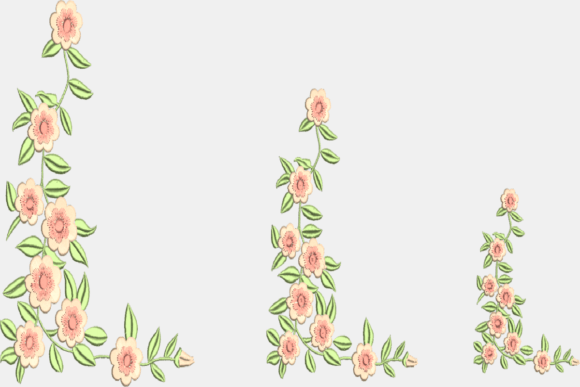
Second, evaluate the scale. Borders often contain repeating motifs. At very small sizes, such as on a tiny chest logo or a miniature patch, individual elements may merge together, creating a muddy appearance. If the design relies on negative space or thin outlines, it may not reproduce well below a certain diameter. I strongly advise checking the legibility of the design at 100% scale before approving it for small-format projects.
Third, think about the substrate. Textured fabrics, such as heavy tweed or looped towels, can obscure fine details. Dark uniforms may require additional underlay stitches to prevent the design from sinking into the fabric, which can increase thread consumption and production time. Additionally, items that undergo frequent industrial washing, such as restaurant staff uniforms, need robust designs. Delicate borders may fray or distort over time if not properly stabilized. Always confirm the durability of the thread colors against the fabric type.
Impact on Brand Identity and Professionalism
Consistency is key to building a recognizable brand. The Creative Endless Border offers a versatile asset that can tie disparate products together. When a customer sees the same elegant border on a tote bag, an apron, and a patch, they subconsciously associate those items with the same source. This visual repetition builds brand identity and aids in recognition.
Furthermore, high-quality embroidery conveys professionalism. A sloppy stitch job can undermine even the best logo, but a crisp, well-placed border demonstrates technical competence. It suggests that the business cares about the quality of its materials and craftsmanship. For handmade brands, this is particularly important; it bridges the gap between "craft fair" and "boutique retail," allowing creators to command higher prices for their handmade products.
Practical Designer Notes for Production
Before integrating the Creative Endless Border into your production workflow, follow these essential steps to ensure success.
- Test in Black and White: Convert the design to monochrome to check contrast and spacing. This helps identify areas that may be too crowded or lack definition.
- Check Hoop Size and File Format: Ensure the design fits within your available hoop sizes. Verify the embroidery file format compatibility with your machines (e.g., .pes, .dst, .exp).
- Use Proper Stabilizer: Select the correct stabilizer (cut-away, tear-away, or water-soluble) based on the fabric weight and elasticity. This is critical for preventing puckering.
- Thread Color Contrast: Review the suggested thread colors against your actual fabric swatches. Poor contrast can make the design invisible or hard to read.
- Create a Printable Mockup: Before cutting fabric, generate a printable mockup to visualize the design on the final product. This helps in client approval processes and reduces waste.
- Confirm Commercial Licensing: Most importantly, verify the licensing terms of the Creative Endless Border. Ensure you have the right to use it for commercial embroidery projects, including reselling finished goods. Do not assume standard personal licenses cover business use.
In conclusion, the Creative Endless Border appears to be a valuable addition to any design assets library, provided it is applied with strategic consideration. Its versatility makes it suitable for a wide range of embroidered patch and apparel applications, enhancing the perceived value of small business merchandise. By testing thoroughly and understanding its limitations, you can leverage this design to create cohesive, professional, and profitable branded products.