Fantastic Flower: A Versatile Embroidery Design for Real Projects
As an experienced embroidery designer and product reviewer, I often evaluate machine embroidery designs with a critical eye—especially when it comes to how they translate from digital files into real-world finished products. Fantastic Flower is one such design that caught my attention not just for its aesthetic appeal but also for the practical possibilities it offers in various creative applications.
First Impressions and Visual Personality
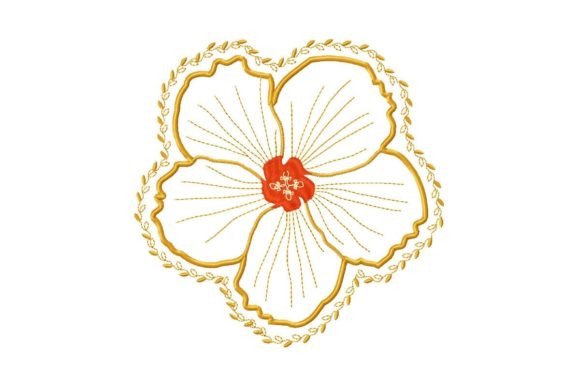
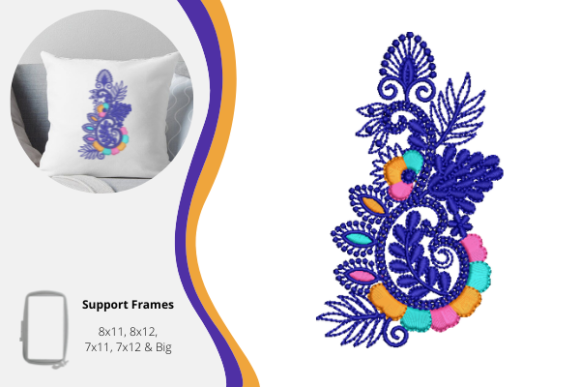
The moment I opened the embroidery file, I was struck by the elegance of Fantastic Flower. It's a single flower design, yet it carries a sense of grandeur without being overwhelming. The layout feels balanced, and the petals have a soft, flowing shape that suggests movement and grace. The detail level is moderate—just enough to give it a handcrafted feel while keeping the stitch count manageable for most projects. This isn’t a hyper-detailed botanical illustration; rather, it’s a stylized bloom that exudes warmth and creativity.
Visually, Fantastic Flower creates a cheerful and romantic mood. Its theme fits well into springtime or bohemian-inspired designs. Because of its clean lines and gentle curves, it could easily be adapted for both modern minimalist pieces and more traditional floral arrangements. As someone who often works on handmade products, I appreciate how this design can blend seamlessly into different styles without losing its charm.
What Project Would It Naturally Fit Into?
I immediately imagined using Fantastic Flower on a custom embroidered tote bag. The size and complexity of the design are ideal for larger fabric surfaces where you want the piece to stand out without appearing cluttered. I also considered it for a holiday gift label stitched onto a tea towel or a pillow cover. In each case, the design felt like a natural fit—versatile, attractive, and functional.
Real-Life Embroidery Performance
In terms of performance, Fantastic Flower delivers consistent results across a range of materials and uses. On cotton canvas, the satin stitches hold up beautifully, giving the petals a smooth, polished finish. When tested on a t-shirt made from 50/50 cotton-polyester blend, the fill areas were stable, and the running stitches didn't pucker if proper stabilizer was used.
- Custom Apparel: Works great on sweatshirts and t-shirts, especially when placed centrally or as part of a larger motif. The design doesn’t distract but adds a subtle pop of personality.
- Baby Clothes & Nursery Decor: The soft curves and non-threatening appearance make it suitable for delicate items like onesies or wall hangings. It conveys a sense of care and style.
- Tote Bags & Aprons: The design looks fantastic on these items, particularly when using contrasting thread colors. It elevates the look of a simple canvas tote or apron into something special.
- Pillow Covers & Tablecloths: Perfect for home décor projects. The design can be repeated or mirrored to create symmetry, which enhances the visual impact of the final product.
- Holiday & Wedding Gifts: Stamped with seasonal text or paired with a name, Fantastic Flower transforms ordinary gifts into personalized keepsakes. Its timeless look ensures it remains relevant beyond a specific holiday.
- Etsy Listings & Boutique Merchandise: For small shop owners and Etsy sellers, this design adds value and uniqueness to their offerings. Whether it's a sweatshirt embroidery or a decorative patch, customers will recognize the quality and thought behind it.
Handmade Product Appeal and Branding Potential
One of the standout features of Fantastic Flower is how it contributes to the overall visual appeal of a handmade product. The stitching clarity is impressive—it maintains definition even when printed at a slightly reduced scale. This makes it a strong candidate for branding purposes, especially for craft businesses looking to add a signature element to their merchandise.
Using this design consistently across your product line (think tote bags, aprons, and pillow covers) can help build brand recognition. It’s the kind of pattern that becomes memorable over time, encouraging repeat purchases and customer loyalty.
Where to Use It Carefully
While Fantastic Flower is versatile, there are some scenarios where it might need extra attention to ensure optimal results:
- Small Hoop Sizes: If you're working with limited space, consider scaling down carefully. The design’s details may get lost if reduced too much.
- Textured or Stretchy Fabrics: These can cause distortion in the petals and centers if not stabilized properly. Always test on a scrap first.
- Thin or Dark Fabric: On sheer materials, the design may appear less defined unless backed appropriately. On dark fabrics, choose thread colors that contrast clearly to maintain visibility.
- Curved Surfaces: Placing it on caps or curved patches requires adjusting the design or using a flexible stabilizer to avoid puckering.
- Dense Stitch Areas: Some parts of the flower have high stitch density. Be mindful of heat buildup and potential stretching, especially on delicate garments.
Design Considerations for Commercial Use
If you're planning to use Fantastic Flower in commercial embroidery projects or digital product previews, take note of the following:
- Always test the design on scrap fabric before committing to a production run. This helps catch any issues early.
- Review the stitch density settings for your machine. Adjustments may be needed depending on the fabric type and hoop size.
- Check thread color contrast against the fabric background. A printable mockup can be incredibly helpful here.
- Inspect the small details like petal edges and center textures. These are what set the design apart visually.
- Consider whether the design would work in black and white for a more modern or vintage look. Sometimes simplicity speaks louder.
- Confirm licensing terms before selling finished items or offering it as a digital embroidery file. This is crucial for commercial embroidery and digital product sales.
Customer Reactions and Project Value
From a buyer engagement standpoint, Fantastic Flower has a lot going for it. Customers love seeing floral motifs on personalized gifts and everyday items. It’s a design that feels thoughtful and intentional—perfect for handmade product lines aiming to convey craftsmanship and attention to detail.
When used correctly, the design enhances the product value. It gives a boutique touch to mass-produced basics and helps differentiate your craft business from generic options. The visual appeal alone can justify a higher price point, especially if you’re targeting markets that prioritize aesthetics, like wedding gifts or nursery decor.
Moreover, because of its universal appeal, Fantastic Flower supports brand consistency. You can use it across multiple items—like tote bag designs and tea towels—and still maintain a cohesive look that customers come to expect from your shop.
Practical Designer Notes for Success
To maximize the effectiveness of Fantastic Flower in your projects, here are a few key tips:
- Use the right stabilizer—a tear-away or cut-away option depending on the fabric thickness and stretch.
- Ensure your hoop size is adequate for the design. If unsure, check the recommended minimums from the file provider.
- For digital embroidery files, always review the stitch types (satin, fill, running) and adjust as necessary for your machine.
- Test the design in both light and dark fabric backgrounds to see how it performs and adapts.
- Pay close attention to corners and detailed sections during stitching to avoid skipped stitches or misalignment.
Final Thoughts
Fantastic Flower is a standout in the Single Flowers category—not just for its beauty but for its adaptability in real-life embroidery situations. Whether you're creating a personalized baby item, designing for an Etsy listing, or building a collection of Embroidery assets for your craft business, this design brings a fresh and appealing touch to your work.
It’s the kind of machine embroidery design that feels like a classic in-the-making. With careful consideration of fabric choice, hoop size, and stitch settings, it can become a staple in your embroidery project repertoire. Just remember to always test before you sew and confirm licensing before you sell. Your customers—and your craft—will thank you for it.