Yellow Flower Applique Review
As an embroidery designer who spends weekends hunched over a booth table at local craft fairs, I have learned one hard truth: customers buy with their eyes before they ever ask about the price. When you are curating your collection for a handmade market, every design needs to work harder than just being "pretty." It needs to stop traffic. This week, I put Yellow Flower Applique through its paces in my studio to see if it has the potential to become a bestseller on my shop floor and online listings.
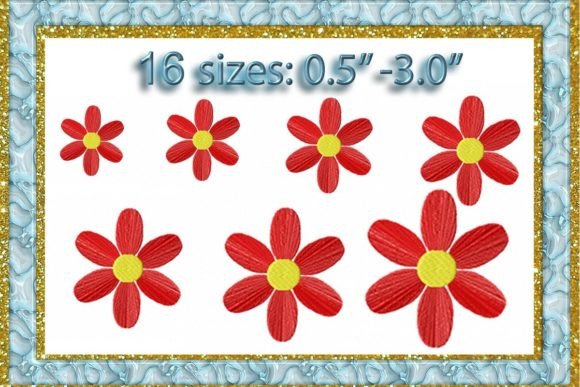
The concept is straightforward yet effective. The description highlights a yellow flower with petals created as a machine embroidery design to form an applique. By changing the fabric, you can create different color options, which immediately signals versatility. While the description notes it is good for decorating children’s clothes, my experience tells me this design transcends age groups. Let’s break down why this piece deserves a spot in your production queue.
First Impressions and Visual Impact
The moment I unrolled the stabilizer and hooped the base fabric, the potential of this machine embroidery design became clear. The term "aplique" does heavy lifting here. Unlike standard satin stitch flowers that sit flat on the surface, an applique adds physical dimension. It catches the light differently, creating shadows and depth that photographs beautifully for your Etsy listings and social media campaigns.
In terms of mood, the yellow hue feels instantly uplifting. It strikes a balance between rustic farmhouse charm and modern brightness. It is not overly delicate or fragile; the petal structure suggests a bold, cheerful aesthetic that works well for spring markets, baby showers, and summer festivals. For a booth display, this kind of tactile quality stands out against mass-produced goods. Customers can see the texture. They can imagine the softness. That sensory connection is what drives impulse buys.
Product Versatility: Where It Sells Best
One of the biggest questions for any embroidery file is application. Does it look good on everything, or is it niche? Yellow Flower Applique is remarkably adaptable. Here is how it performs across key crafter fair product categories:
- Tote Bag Design: A large tote bag provides ample negative space for an applique to shine. Placing a single, vibrant yellow flower on a canvas or denim tote creates a striking focal point. It elevates a basic accessory into a statement piece, perfect for the eco-conscious shopper.
- Apron Embroidery: Kitchen wear is a staple at craft fairs. An applique flower on the bib of a linen apron adds a touch of elegance without overwhelming the utility of the garment. It photographs exceptionally well, making it a top contender for printable mockup presentations.
- Tea Towel Embroidery: Linen and cotton tea towels are high-margin items. The applique technique holds up well to washing, provided the stitching is secure. The contrast of the yellow petals against white or neutral linens screams "clean," "fresh," and "homey."
- Embroidered Patch: Because the design is self-contained, it translates perfectly into a detachable patch. These are incredibly popular for personalizing backpacks, jackets, and hats. The ability to change fabric colors allows you to offer seasonal variations—pastels for spring, bright yellows for summer.
- Caps and Beanies: Curved surfaces can be tricky, but a floral motif follows the curve naturally. On a structured cap, the applique adds a premium feel that justifies a higher price point.
Production Practicality and Batch Efficiency
For the Etsy seller or small business owner, time is money. A design that takes three hours to embroider per unit will kill your profit margins. Applique designs generally require more setup time due to the need to cut and position fabric pieces, but they often run faster than dense fill stitches because the base layer covers the fabric rather than building up thread layers.
This design feels repeatable. If you set up your workstation correctly, you can produce a batch of small shop product inventory efficiently. The visual simplicity means there is less room for error during the cutting phase compared to intricate lace-like patterns. However, consistency is key. Every flower must look uniform on every bag or towel. This requires discipline in your workflow, but the payoff is a professional brand image that builds customer trust.
Photography and Online Presentation
In the digital realm, detail matters. A digital embroidery file is invisible until it is stitched. The beauty of the applique technique is that it translates directly into compelling photography. Close-up shots of the fabric edges and the stitch line where the flower meets the base fabric convey quality. It proves to the buyer that this is a handmade product, not a screen print. When listing these items, ensure your lighting highlights the texture. The yellow should pop against the background fabric, drawing the eye immediately to the center of the image.
Technical Considerations and Careful Use Notes
Before you commit to a full production run, there are technical realities you must address. As a designer, I cannot stress enough the importance of testing. Do not skip this step.
Stitch Density and Clarity: Check the stitch density of the applique edge. If the stitches are too sparse, the underlying fabric may show through, looking unfinished. If they are too dense, the fabric might pucker. You need to find the sweet spot where the coverage is solid but the fabric remains pliable.
Fabric Texture and Thickness: The success of an applique relies heavily on the materials you choose. Thin, slippery fabrics can shift during the cutting and stitching process, leading to misalignment. Thick fabrics, like heavy denim or multiple layers of quilted material, can overwhelm the needle and cause thread breaks. Always test on scrap fabric that mimics the final product. If you are using textured towels, ensure the pile does not interfere with the tack-down stitches.
Hoop Size and Stability: Confirm the required hoop size. Large designs require larger hoops, which limits the types of garments you can embroider. Ensure your machine’s arm can accommodate the hoop comfortably. Furthermore, use the right stabilizer. For appliques, a cut-away stabilizer is often preferred for durability, especially on items that will be washed frequently, like aprons and kids' clothes. A tear-away might distort the shape over time.
Thread Contrast: The choice of thread color for the tack-down stitches and any decorative top stitching is crucial. If the thread matches the fabric exactly, the design might look flat. A slight contrast can define the petals better. Conversely, if the contrast is too harsh, it might look messy. Test several thread colors to see what enhances the yellow petals without competing with them.
Final Verdict for Market Sellers
Yellow Flower Applique is a strong candidate for your next craft fair rotation. It combines visual appeal with practical production value. The applique technique adds a premium touch that distinguishes your work from competitors using simple embroidery. Whether you are selling finished goods at a booth or offering custom services to clients, this design offers flexibility.
Remember to inspect the design files carefully. Verify the commercial licensing terms if you plan to sell the finished products. Create at least one real mockup of each major product type—a tote, an apron, and a pouch—to see how the scale feels in your hand. Once you have tested the spacing, confirmed the stabilizer choice, and perfected your fabric selection, you will have a winning item that captures attention and drives sales. This is not just a flower; it is a strategic asset for your handmade brand.