Wild Flower Line Art Review
As an embroidery designer who spends countless hours refining stitch paths and testing thread interactions, I approach every new digital acquisition with a critical eye. We are currently approaching the peak season for holiday product creation, and the demand for personalized gift items is rising sharply. Today, I am reviewing the Wild Flower Line Art design to determine if it deserves a spot in our upcoming seasonal collection. This piece falls under the category of Outline Flowers and Embroidery, but its potential extends far beyond simple floral decoration. It is a strategic asset for any Etsy seller or small shop product creator looking to capture the modern, rustic aesthetic that dominates current market trends.
The First Impression: Mood and Aesthetic
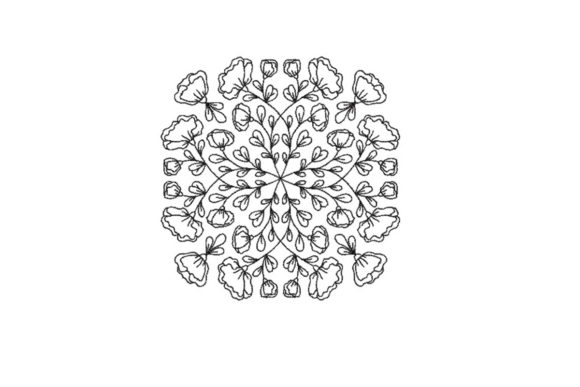
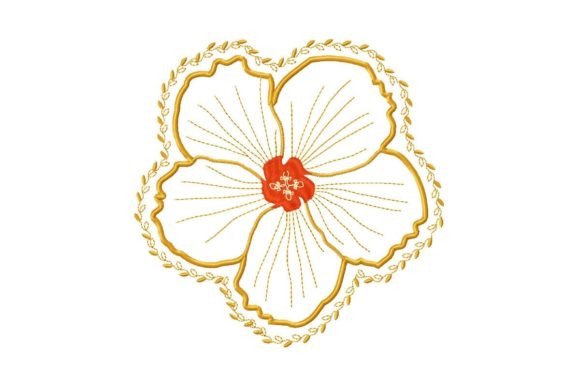
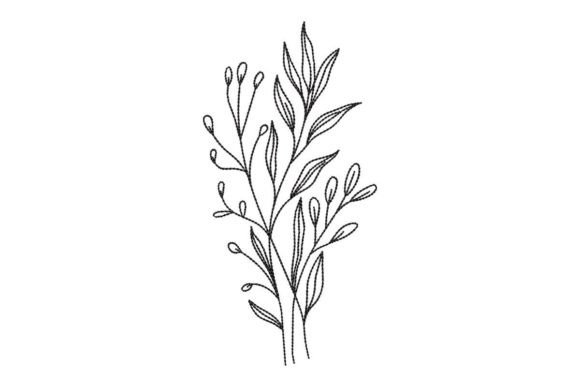
When I first loaded the Wild Flower Line Art into my digitizing software, the immediate takeaway was its clean, minimalist elegance. Unlike dense, heavily filled designs that can feel heavy or dated, this line art style offers a breathable, airy quality. It feels both nostalgic and distinctly modern, striking a balance that appeals to a wide demographic. The thin, continuous lines mimic the delicate structure of wild blooms, creating a sense of organic movement without visual clutter.
This aesthetic is crucial for holiday selling situations. Modern shoppers often gravitate toward "quiet luxury" or understated elegance rather than overtly loud decorations. This design provides a feminine accent that works beautifully on neutral tones. It evokes feelings of coziness, warmth, and natural beauty, making it an ideal candidate for home decor items and apparel intended for autumn and winter holidays. The simplicity of the outline allows the fabric texture itself to become part of the design, adding depth and premium feel to the finished product.
Seasonal Applications and Product Potential
In planning our holiday drop, I have evaluated how this machine embroidery design performs across various high-demand categories. Its versatility is its greatest strength. Here is how I envision it integrating into real-world products:
- Sweatshirt Embroidery: On heather grey or cream crewnecks, the line art creates a sophisticated focal point. It pairs exceptionally well with smaller text elements for family matching sets or holiday greetings.
- Tote Bag Design: Canvas totes are staples for craft fair displays. This design adds a touch of artistic flair to utilitarian bags, appealing to shoppers looking for stylish yet functional holiday gifts.
- Kitchen Towel Embroidery: Linen or cotton kitchen towels benefit from the refined look of line art. It elevates a basic household item into a decorative piece suitable for gifting during housewarmings or hostess presents.
- Pillow Cover: For home decor, placing this design on velvet or chenille fabrics creates a luxurious contrast. The open spaces of the line art allow the plush fabric to show through, enhancing the tactile experience.
- Embroidered Patch: The design scales well for iron-on patches, which are popular for customizing denim jackets or backpacks for younger demographics.
- Baby Items: Soft bodysuits and blankets gain a gentle, timeless appeal from this motif, perfect for baby showers held during the holiday season.
For Etsy sellers, these applications translate directly into higher conversion rates. When customers see a printable mockup of the design on a cozy sweatshirt or a beautifully set table, they can visualize the emotional value of the purchase. This visual recognition builds trust and encourages impulse buys during limited-time promotional periods.
Strategic Selling Points for Holiday Shoppers
The Wild Flower Line Art design supports several key marketing angles. First, it aligns with the trend of "slow living" and appreciation for nature, resonating with buyers seeking meaningful, handmade gifts. Second, its minimalism makes it highly customizable. Sellers can pair it with monograms, dates, or short phrases to create unique personalized gift options without overwhelming the customer’s eyes. Third, it photographs well. The clean lines render clearly in social media previews, ensuring your digital embroidery file looks as good online as it does in person.
Technical Considerations and Careful Usage
While the aesthetic appeal is strong, a professional review must address technical limitations. Not every project is suited for this specific embroidery file. As you plan your production, keep the following constraints in mind:
- Hoop Size Constraints: Always verify the recommended hoop size before starting. If the design is large, ensure your machine can accommodate it without requiring re-hooping, which can misalign the stitching.
- Stitch Density Awareness: Although this is line art, check the stitch density closely. If the lines are too sparse on certain fabrics, they may look broken or faint. Conversely, if the lines overlap significantly, they might create unwanted bulk.
- Fabric Texture Matching: This design shines on smooth surfaces like cotton, linen, or polyester blends. Avoid using it on thick terry cloth towels or heavily textured bouclé fabrics, as the fine details may get lost or cause needle breakage.
- Thread Color Selection: Test thread colors on both light and dark fabric. Metallic threads can add a festive holiday touch, but they require careful tension settings. Dark fabrics may require a backing stabilizer to prevent show-through.
- Stretchy Garments: When embroidering on knit fabrics like sweatshirts, use a cut-away stabilizer to prevent distortion. Wash tests are essential to ensure the design holds up after multiple cycles.
I advise against using this design for tiny lettering or intricate layered details that require extreme precision. The strength of this file lies in its bold, clear outlines. If you attempt to scale it down too much, the lines may merge, losing the delicate character that makes it attractive.
Impact on Brand Consistency and Customer Trust
Using high-quality, well-tested designs like Wild Flower Line Art directly impacts your brand’s reputation. Customers who receive a finished product with clean stitches and no puckering are more likely to leave positive reviews and return for future purchases. In the competitive landscape of commercial embroidery, consistency is key. By selecting designs that perform reliably across different materials, you demonstrate professionalism and attention to detail.
Furthermore, this design enhances the perceived value of your offerings. A simple line art flower, when executed perfectly, can command a higher price point than a basic logo because it feels more artistic and bespoke. It signals to the buyer that care was taken in the creation process, fostering a deeper connection between the maker and the recipient.
Final Designer Notes and Next Steps
Before adding Wild Flower Line Art to your seasonal inventory, I recommend taking the following practical steps:
- Test Stitch Outs: Create physical samples on the exact fabrics you intend to sell. Check for thread breaks, tension issues, and color accuracy.
- Review Small Details: Zoom in on the digitized file to ensure there are no stray jumps or unnecessary trims that could affect the final look.
- Plan Color Palettes: Select thread colors that complement your holiday theme. Think deep burgundies, forest greens, golds, and crisp whites for a festive yet elegant range.
- Confirm Licensing: Ensure you have the appropriate commercial license to sell finished goods made with this digital embroidery file.
- Create Realistic Mockups: Use the test images to build compelling listings that showcase the design in context.
In conclusion, Wild Flower Line Art is a versatile, emotionally resonant addition to any holiday collection. Its modern, minimalist style bridges the gap between rustic charm and contemporary elegance, making it a safe and stylish choice for a wide array of products. By paying close attention to technical execution and strategic application, you can leverage this design to drive sales and delight customers during the busiest shopping season of the year.